
The evolution of casino culture throughout history
Origins of Gambling
The roots of gambling can be traced back to ancient civilizations, where games of chance were often played during religious ceremonies and social gatherings. Archaeological evidence suggests that dice and betting games date back thousands of years, with cultures such as the Chinese, Egyptians, and Romans engaging in early forms of gambling. These activities were not only a source of entertainment but also served as a means of social interaction within communities. As players look for exciting options, many turn to online pokies australia payid for a modern spin on traditional games.

As gambling evolved, it started to formalize into structured games with established rules and odds. The Romans, for instance, popularized various betting games, leading to a greater acceptance and integration of gambling into daily life. This historical context laid the foundation for modern casino culture, where the essence of chance and risk-taking remains central.
The Rise of Formal Gambling Houses
During the 17th century, Europe witnessed the emergence of formal gambling houses, known as casinos, particularly in Italy. These establishments marked a shift from informal betting to more organized environments where people could engage in games of chance in a regulated setting. The popularity of these casinos attracted a diverse clientele, from nobility to the common man, creating a social hub for leisure and gambling.
The establishment of casinos also coincided with the invention of new games like roulette and baccarat, which contributed to the allure of these venues. As casinos began to flourish, they incorporated luxurious amenities and entertainment options, creating a rich culture that intertwined gambling with opulence and sophistication.
The Influence of the American West
The 19th century brought significant changes to casino culture, particularly in the United States. The Gold Rush era attracted fortune seekers and gamblers alike to the American West, resulting in the establishment of saloons and gambling halls. This period saw the rise of iconic games such as poker, which became deeply embedded in American culture and contributed to the romanticized image of the Wild West.
As states began to legalize gambling, iconic destinations like Las Vegas emerged, transforming into hubs of entertainment and nightlife. The glitzy casinos of Las Vegas introduced a new level of extravagance, complete with elaborate shows, fine dining, and themed resorts, attracting millions of visitors and solidifying the casino’s role in modern culture.
The Digital Transformation of Gambling
The late 20th and early 21st centuries ushered in a digital revolution that significantly impacted casino culture. The advent of the internet led to the rise of online gambling platforms, allowing players to engage in their favorite games from the comfort of their homes. This accessibility changed the landscape of gambling, making it more inclusive and diverse.
With online casinos offering various games and attractive bonuses, a new generation of players emerged, drawn by the convenience and security of digital platforms. Furthermore, advancements in technology, such as mobile gaming and live dealer experiences, continue to evolve the way people engage with casinos, blending traditional elements with modern convenience.
Modern Casino Culture and the Future
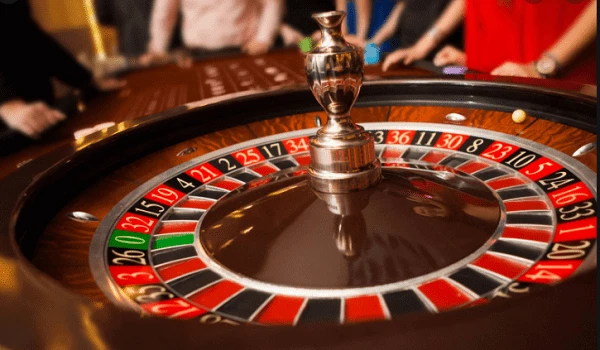
Today, casino culture is a complex tapestry woven from various historical influences and modern innovations. Casinos now emphasize not only gaming but also entertainment, dining, and luxury experiences. The integration of advanced technology, such as virtual reality and blockchain, hints at a future where gambling experiences will be even more immersive and secure.
Platforms like PayID Pokies exemplify the ongoing evolution of casino culture, catering to diverse audiences with an array of gaming options while prioritizing security and user experience. As the world of gambling continues to innovate, the core essence of casino culture remains rooted in the thrill of chance and the pursuit of excitement, ensuring its relevance in contemporary society.
