
The allure of chance: understanding player motivations
The psychology surrounding casino games is deeply intertwined with the allure of chance and the thrill of uncertainty. Players are often drawn to the unpredictable nature of games, where the outcomes are governed by luck. This unpredictability allows players to experience a rush of adrenaline, triggering a psychological response that can be both exhilarating and addictive. In fact, many people are exploring the best new australian online casinos to take part in such experiences. The excitement of potentially winning big can lead individuals to choose games that offer high stakes and dramatic outcomes, intensifying their engagement.

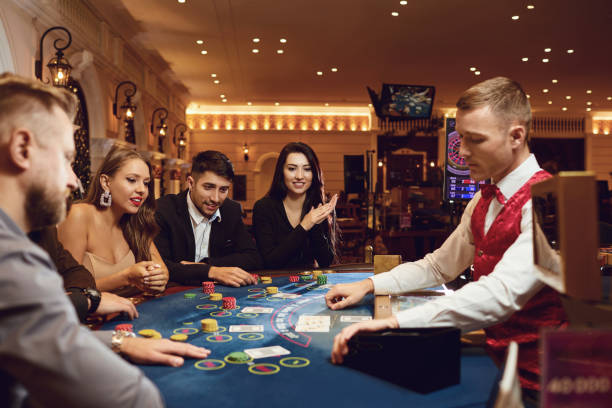
Moreover, the social aspect of gambling contributes significantly to player choices. Many casino-goers enjoy the communal experience of playing in a lively environment, where social interactions can enhance the overall enjoyment. This social engagement prompts players to choose games that allow for interaction with others, such as poker or certain table games, fostering a sense of belonging and shared excitement.
The impact of cognitive biases on decision-making
Cognitive biases play a crucial role in the choices that players make within casinos. Many individuals fall prey to the illusion of control, believing they can influence the outcome of games through skill or strategy, even in games governed entirely by chance. This mindset leads players to favor games where they feel their decisions can impact results, such as skill-based games, over purely luck-based options.
Additionally, the concept of loss aversion — the psychological phenomenon where the pain of losing outweighs the pleasure of gaining — influences player behavior. Players often continue to gamble in an attempt to recover losses, leading to a cycle of chasing losses that can drive their game choices. These biases can cloud judgment, ultimately affecting the types of games players prefer and how much they are willing to wager.
The role of rewards and reinforcement
CASINOS are designed to maximize player engagement through a variety of reward systems that capitalize on the principles of reinforcement psychology. Players are often motivated by the prospect of rewards, both immediate and delayed. The use of near-misses or “almost wins” can create a sense of hope, encouraging players to keep playing in pursuit of that elusive win.
Furthermore, loyalty programs and bonuses offered by casinos serve to reinforce player behavior, incentivizing continued play. These rewards can lead players to develop a sense of attachment to specific games or brands, often further influencing their choices in the gaming landscape. Understanding the connection between rewards and player psychology is essential for casino operators aiming to retain players and enhance their gaming experience.
Emotional connections and personal preferences
Players often develop emotional connections to specific games, whether due to nostalgia, personal experiences, or cultural influences. Certain games may remind players of enjoyable past experiences or symbolize a larger sense of adventure and risk. This emotional investment can significantly influence their game choices, leading them to return to familiar games that resonate on a personal level.
Additionally, individual differences in personality can shape preferences for specific game types. Some players may prefer the strategic elements of poker, while others may be drawn to the fast-paced excitement of slot machines. Understanding these emotional connections and personal preferences can provide insight into why players gravitate toward particular games, ultimately impacting their overall gambling behavior.
Reflections on player behavior in the digital age
As the gambling landscape evolves, particularly with the rise of online casinos, the psychology of player choices continues to adapt. Digital platforms offer unique experiences that can further influence game preferences. The convenience and accessibility of online gambling can lead to increased engagement, as players find it easier to explore a wider variety of games from the comfort of their homes.
Furthermore, online casinos often incorporate gamification elements, such as leaderboards and achievements, to appeal to competitive players. These features can create new psychological drivers for game choices, encouraging players to engage in a more dynamic and interactive way. As the industry adapts, understanding the underlying psychology will be crucial for operators looking to create appealing experiences that resonate with players in the digital age.
